
Art Takes Time
Words: Eerie Rose Photography: Danaia Konstantinova
Danaia Konstantinova is a Eastern European fine art photographer, filmmaker and visual artist working primarily with analogue photography and alternative, craft-based photographic processes. With over four years of experience, her practice explores the materiality and artistic potential of analogue image-making, engaging with themes of identity, cultural heritage, personal and collective memory, and temporality. In an era of digital saturation, she turns to handmade processes and the materiality of analogue photography to translate human experience into the image. The medium’s visual rawness, imperfections, transformative qualities, traces of decay, and tangible physicality mirror the fragility and ephemerality of memory.
Alongside her individual work, she is a co-founder and leading member of ROOD, a London-based art collective dedicated to fostering a supportive space for emerging artists through collective making, exchange, and dialogue.
You submitted two works to feature in our February newsletter's community gallery, both created using the Mordançage method - could you tell us about this process, and about the pieces you created using it?
The Mordançage method, also known as gelatin relief, is a historic, craft-based photographic process developed by Jean-Pierre Sudre. It allows artists to physically manipulate a silver gelatin print by lifting, repositioning, and securing the deepest black areas of a black-and-white darkroom photograph. Through this intervention, the image transforms into a three-dimensional reverse relief, marked by delicate gelatin veils and an overall degraded, time-worn appearance. As a photographer, this process offers endless possibilities for creating a unique visual language. You may choose to erase nearly all traces of the original image, constructing an entirely new narrative, or preserve much of the photograph’s realism while adding textured disruptions that deepen the conceptual storytelling of the image.
The process is simple yet very particular. I begin by creating a silver gelatin print from a black-and-white 35mm negative. The print is then immersed in a Mordançage bleach solution for several minutes, until the image appears to vanish and a faint yellow ghost of the print emerges. After bleaching, the print is thoroughly washed and redeveloped, allowing the image to resurface. If the gelatin has not lifted sufficiently, the process is repeated. Because the gelatin behaves unpredictably as it cracks, lifts, and separates from the deepest blacks of the image, this cycle is repeated multiple times, forming a continuous loop until the work begins to take on a form that feels meaningful to the artist. The final image is never predetermined; instead, it gradually reveals itself through repeated trials, experimentation, and chance.
This process is very time-consuming and demands a lot of patience, attention and delicate hand movements to create refined gelatin veils or intentional degradation. I love working this way because it feels collaborative. The material itself becomes an active participant, shaping its own meaning alongside my intentions.
When I began developing my next project, Traces of Living, Mordançage felt like the perfect process through which to realise it. The series consists of silver gelatin prints made from 35mm negatives that are deliberately disrupted using this method. At its core, the work examines the reconstructive nature of memory and how lived experiences fracture and erode each time we return to them. Having left my city of birth, Petrozavodsk, at a very young age and not being able to visit for many, many years, I approach the idea of “returning home” through the lens of childhood memory: looking up at trees with friends on a bright summer day, revisiting corners that once hosted small adventures, recalling friendships and mentors who once felt central to my world. Though these moments have long passed, their emotional residue endures — sometimes vivid, sometimes distorted, much like memory itself. Like human skin, the paper bears traces of time, touch, and transformation. It wrinkles, erodes, and reforms, and its degradation and reconstruction mirror the instability of recollection. The fragmented surfaces embody the emotional residue these early moments carry, not as clear narratives, but as impressions suspended between clarity and loss.
In this way, I used material disruption to create a sense of suspended presence, where the subject feels perceptible yet incomplete, hovering between appearance and disappearance. Ultimately, the work captures familiar faces and places as unstable forms — present, but never fully intact. Some early memories feel distant and abstract, while others retain sharper definition. Within this collection, you will find that some images appear almost dissolved, while others are more detailed yet visibly eroded, reflecting the varied ways we remember and experience the idea of home.
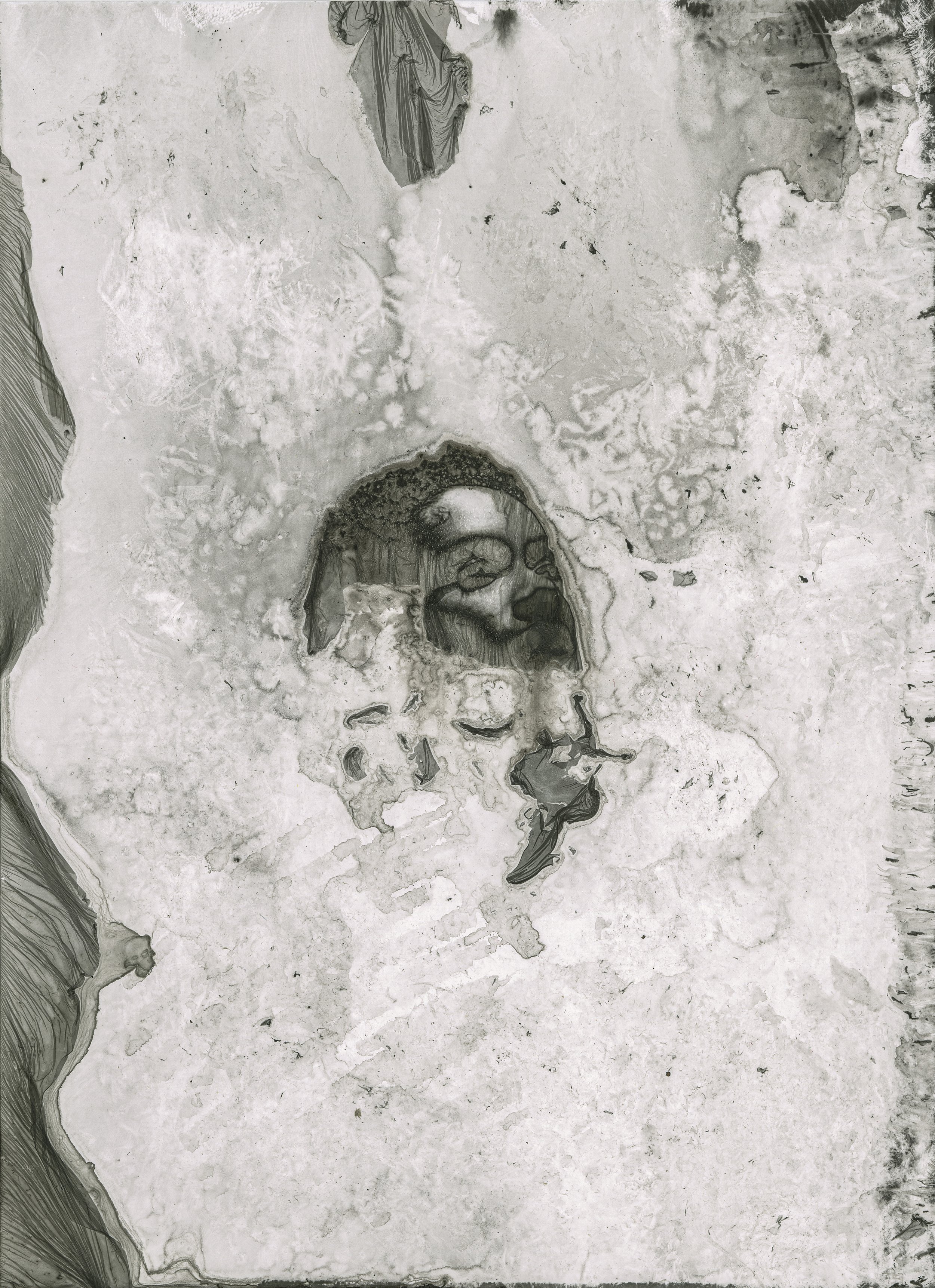
Absent but Seen - Traces of Living
What draws you to analogue photography, and what is it about such hands-on methods of image making that is so important to your work?
I think what draws me most to analogue photography is its materiality. I love how the medium embraces imperfection - varied textures, organic colours, natural grain structure, options for physical alterations and subtle inconsistencies are always present within each photograph. This way, two images are never identical, giving every photograph a distinct character and physical presence. These qualities are central to my practice, which explores intimacy, identity, memory, cultural heritage, and temporality. Analogue processes allow me to encode human memory in today’s world of digital saturation; how the medium’s imperfections, gradual decay, and tactile physicality mirror the fragility and ephemerality of lived experience.
Working with analogue also gives me the freedom to experiment with techniques such as double and multiple exposures, intentional light leaks, and other in-camera interventions that emphasise the rawness and vulnerability of the image, which are commonly featured within most of my photographs. It also opens the door to the limitless potential of darkroom printing. For example, in my photographic series Fragments of Her, I positioned the camera as an inner lens — a tool for introspection that reveals the emotional landscapes beneath constructed images of the self. The project examines how external gazes, particularly those shaped by commercial photography industries, penetrate and influence a woman’s inner world. Shooting on Ilford HP5 Plus allowed me to explore this “inner lens” through the distinctive qualities of analogue photography. The fine grain, tonal depth, and tactile textures evoke a sense of intimacy, making the viewer feel as though they are being invited into a private and vulnerable space. I also incorporated techniques such as double exposure and slow shutter speeds to produce fragmented and subtly surreal images. These visual distortions reflect both the unbearable pressure exerted by the industry and the multiplicity of female identity.
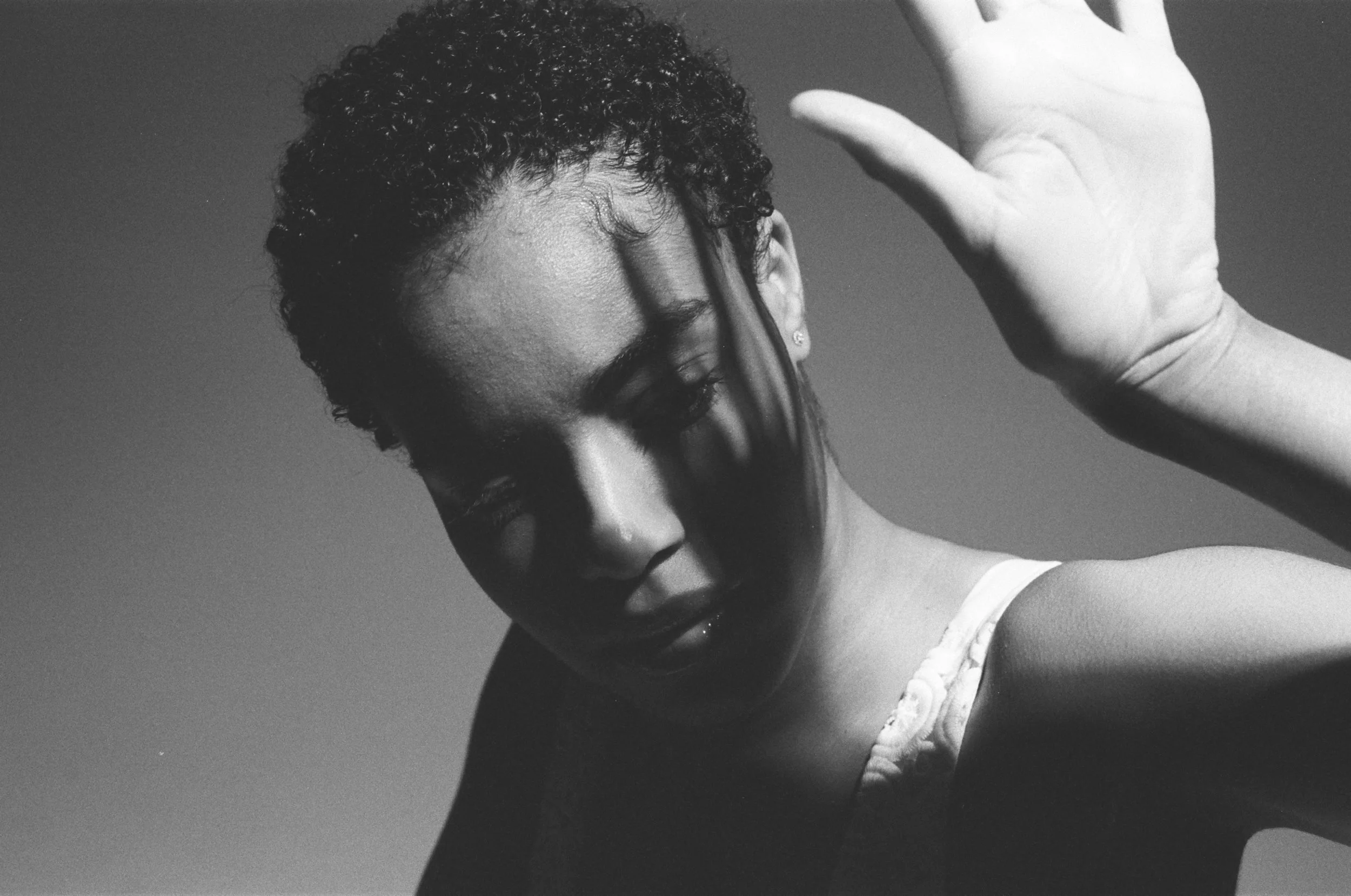
From Fragments of Her
Another example is my most recent series, Paper Hearts, which investigates the fluidity of masculinity and the ways it is shaped by entrenched cultural expectations, particularly amid political conflict and ongoing oppression. Within such restrictive structures, deviation is often suppressed or deemed suspect, leaving little space for alternative expressions of identity. Using the uncontrollable potential of double exposure and high-contrast black-and-white film stock such as Ilford Delta 400, I integrated space and figure to create a disorienting and unsettling visual effect. The merging of these techniques with environment and body allowed me to reflect on the tension between individuality and societal pressure, between self-expression and imposed ideals of masculinity. Analogue photography was essential to this process. The visible materiality, rawness, and strong textures of the medium allowed me to perfectly convey the weight of national expectations and the detrimental impact they can have on young people’s self-definition. I feel that digital methods cannot replicate the same depth.
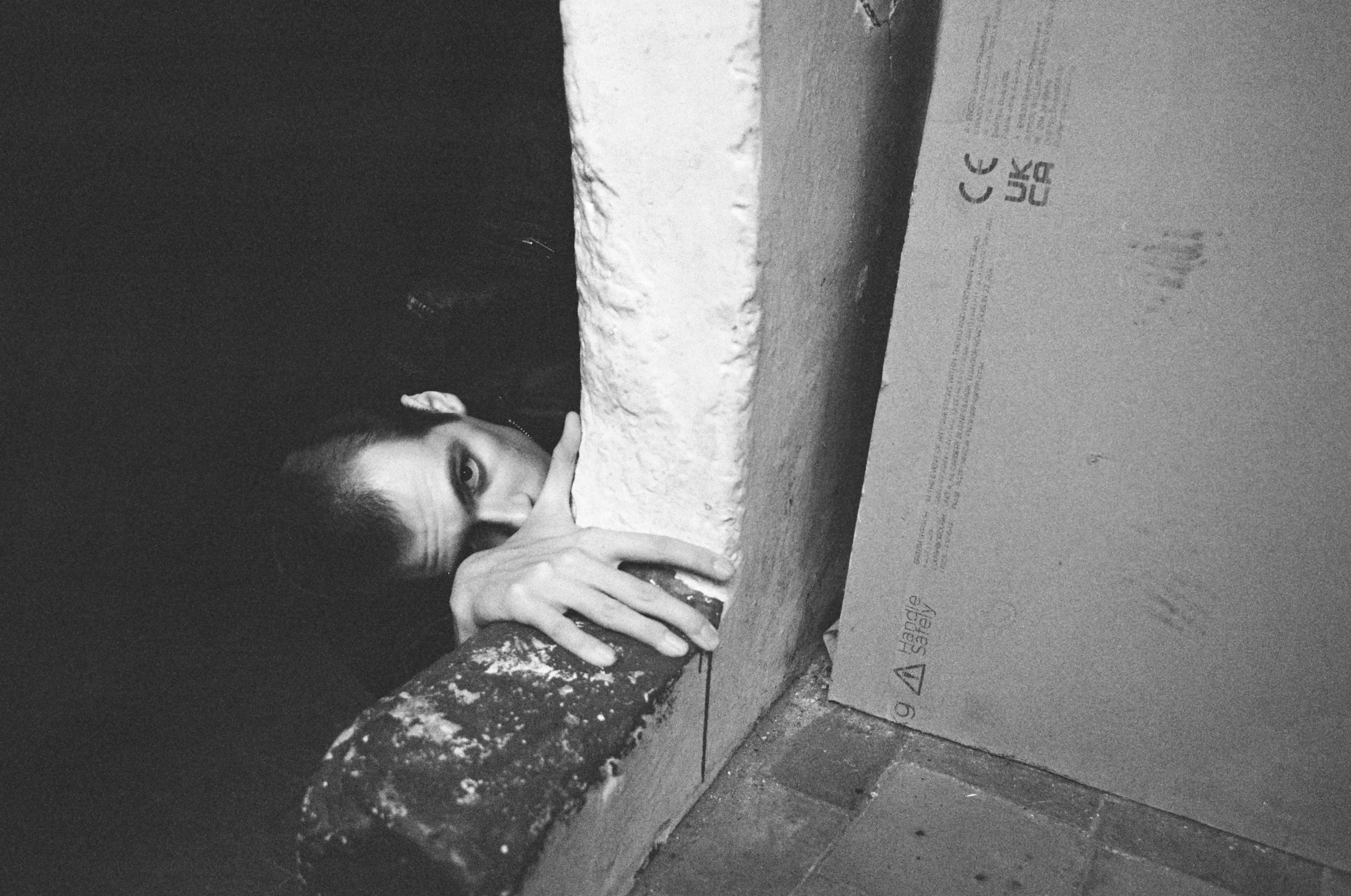
From Paper Hearts
Another compelling aspect of analogue photography that draws me to this medium is the intentionality it demands. Unlike digital photography, there is no immediate playback. Each frame requires careful consideration of composition, exposure, contrast, and timing. The limitations of the medium cultivate a slower, more mindful process that shapes not only the final image but the act of creation itself. For me, working with analogue is a commitment to reinstating the value of thoughtful image-making, creative labour, and physical materiality. In a world where the camera often becomes a source of instant gratification, I want to emphasise that art takes time. Furthermore, hands-on methods of image-making, such as Mordançage and Kirlian photography, have become essential to my practice, opening new creative avenues through which I can further explore my cultural heritage and identity. These processes allow me to move beyond the boundaries of traditional photography, expanding the medium from mere representation into something more experimental and conceptual. For example, in my recent work, Hidden Figures, I use Kirlian photography to explore the persistence of cultural memory through everyday objects, reflecting how my Karelian identity has been shaped by sensory experience and inherited ritual. By capturing corona discharge, the luminous glow produced by high-voltage currents, I investigate the intangible dimensions of these material traces. The corona becomes a visual language for what cannot be directly photographed: emotional residue, inherited gestures, and cultural continuity.
How did you get into 16mm film? The videos you create are so magical, modern and progressive yet hazy with nostalgia. Some older analogue film can be a bit of a trial to use. How have you found filmmaking and editing with this format?
I was first introduced to 16mm film during my first year of film school. We were randomly assigned to groups of five to create a short film using the vintage Bolex H16, shooting on black-and-white standard 16mm film. For this project, I took on the role of director of photography, responsible for shooting and shaping the overall look of the film. My job was to learn how to use this completely new to me tool, operate it effectively, and somehow make the final film look good. At the time, I had no idea what I was doing, so I dove into research and began shooting test footage. This was when I really fell in love with the process, the unpredictability of the final outcome was both terrifying and fascinating and allowed me to pay attention to small details of the image when shooting. I wasn’t entirely happy with the final film, but the experience sparked a fascination that has stayed with me ever since.
After graduating, a very lovely gaffer I was working with generously lent me his Bolex, as I had mentioned wanting to revisit 16mm. I began shooting extensively with it, experimenting with different film stocks and lenses. With a fresher perspective and more experience, I fell in love with what I was creating. Every project felt unique in its own way, nostalgic, organic, and intimate. I feel like it really helped me to further shape my style as an artist.
Unlike digital cameras, working with older 16mm analogue film, much like 35mm photography, can be challenging, and the workflow is fundamentally different. The Bolex H16 Reflex, the camera I primarily use, is a vintage tool with its own quirks - mould can grow almost anywhere inside the camera, and even small insects can find their way into it—which, amusingly enough, actually happened during my most recent project. In addition, the image seen through the viewfinder is only a rough estimate of the final result. It does not accurately represent the colours or exposure of the recorded image. You will not know if you accidentally overexposed or underexposed your footage. For this reason, carefully choosing the right film stock, religiously using a light meter on set, using a tape measure for focus and thoughtfully considering the movement of the camera and lighting conditions become essential if you want the final footage to match your original idea.
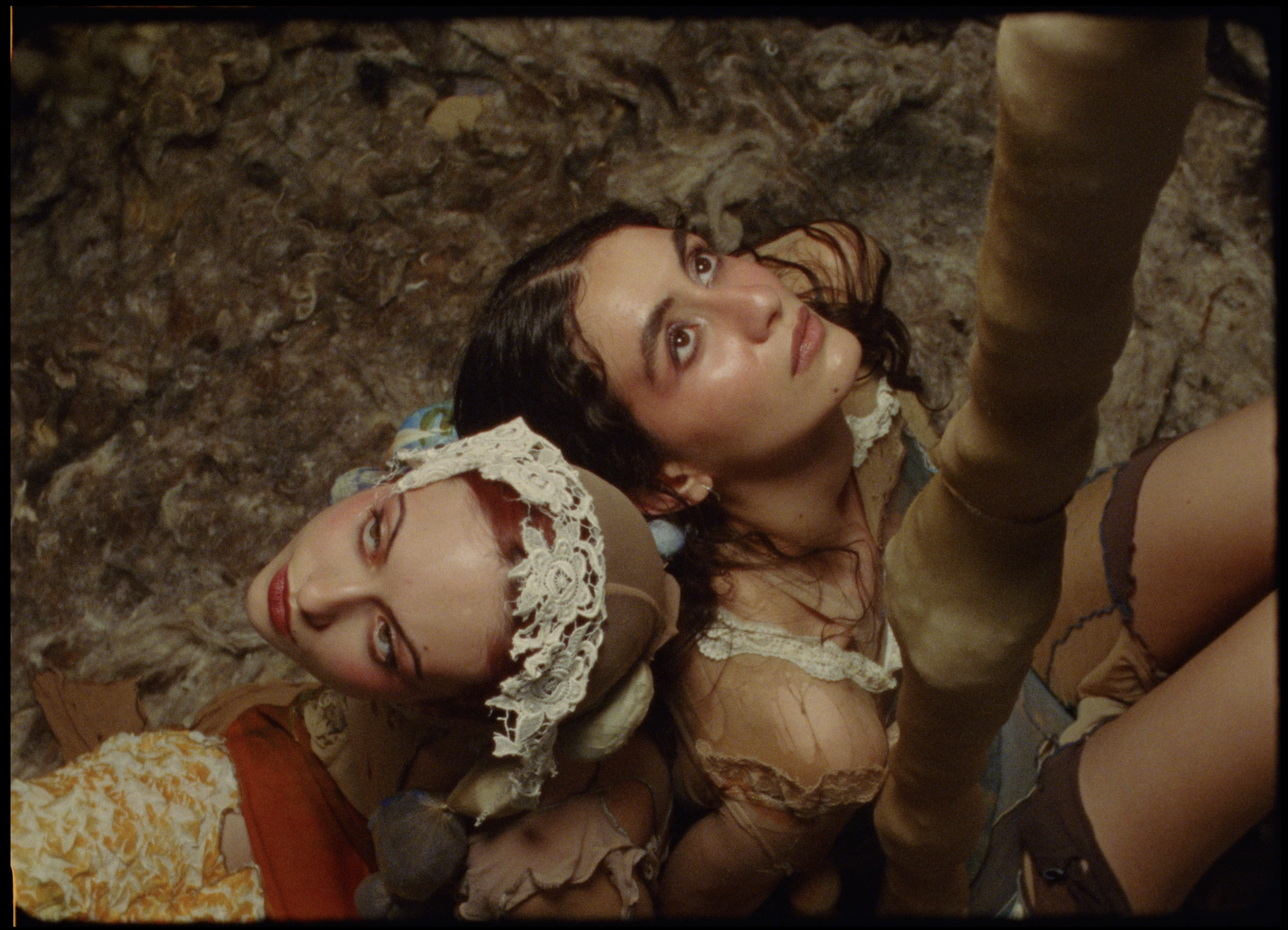
For example, Settlement of the Heart was a collaborative project between several filmmaker friends and me. The work centres on an exploration of the raw intimacy and quiet resistance of femininity, portrayed through two friends longing for escape who create a new environment—a sanctuary in which to retreat. As they step into this self-made refuge, their anxieties and fears begin to fade, allowing a liberated and playful self to emerge. To emphasise this transformation, it was important to create a clear contrast between the interior and exterior of the refuge, constructing a surreal setting that combined organic warmth with a gritty atmosphere. Knowing the project would be shot in a studio, I chose 500T (tungsten) film stock, which helped achieve the desired level of grain and texture while enhancing the warmth of the refuge at the centre of the piece. In addition, I carefully designed the lighting so that the varied textures of the set were accentuated through a combination of soft and hard light sources. Painted shapes on the tent were highlighted by this approach, while the surrounding space remained darker, allowing the outside world to retain an air of mystery and intrigue.
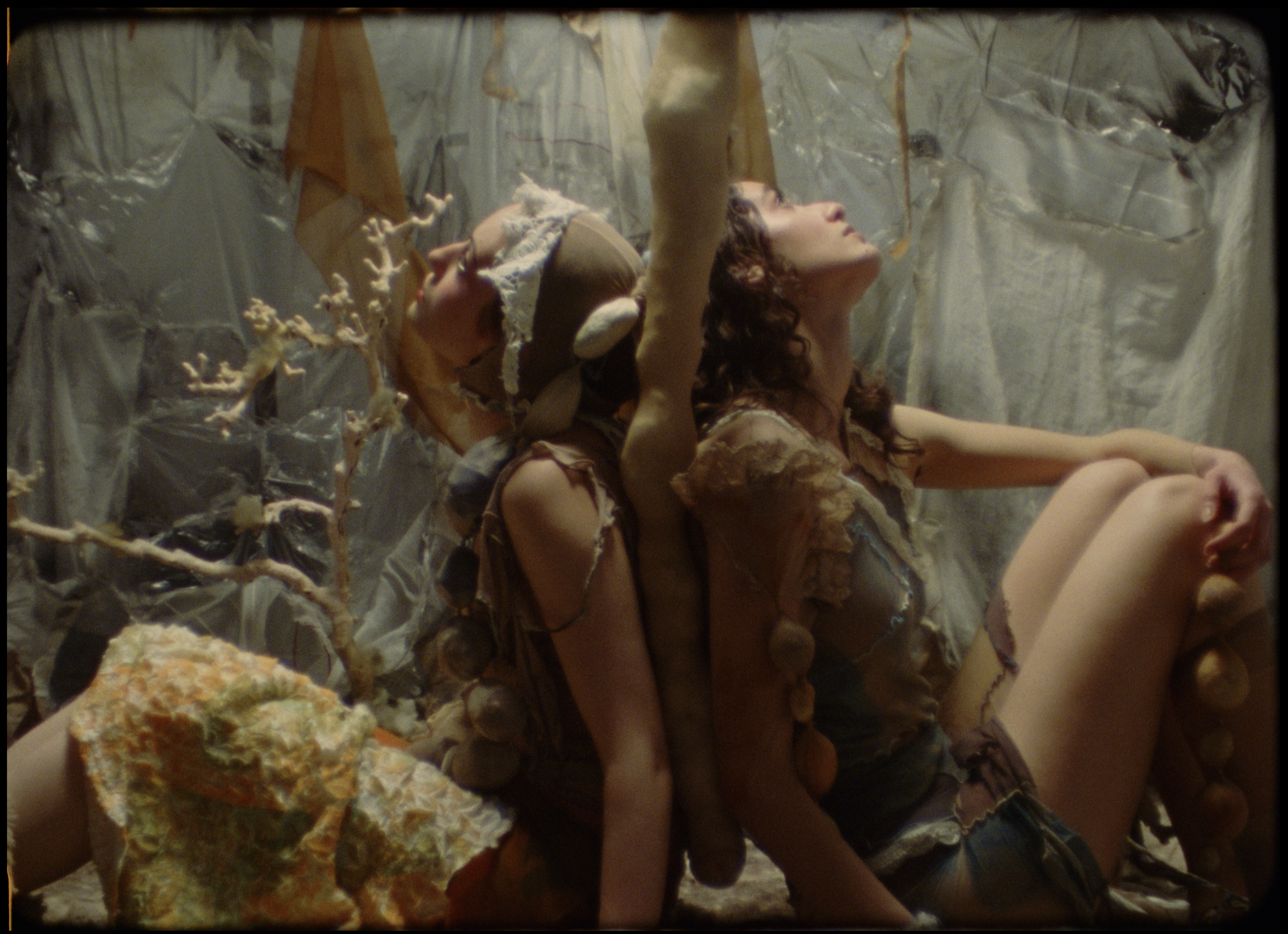
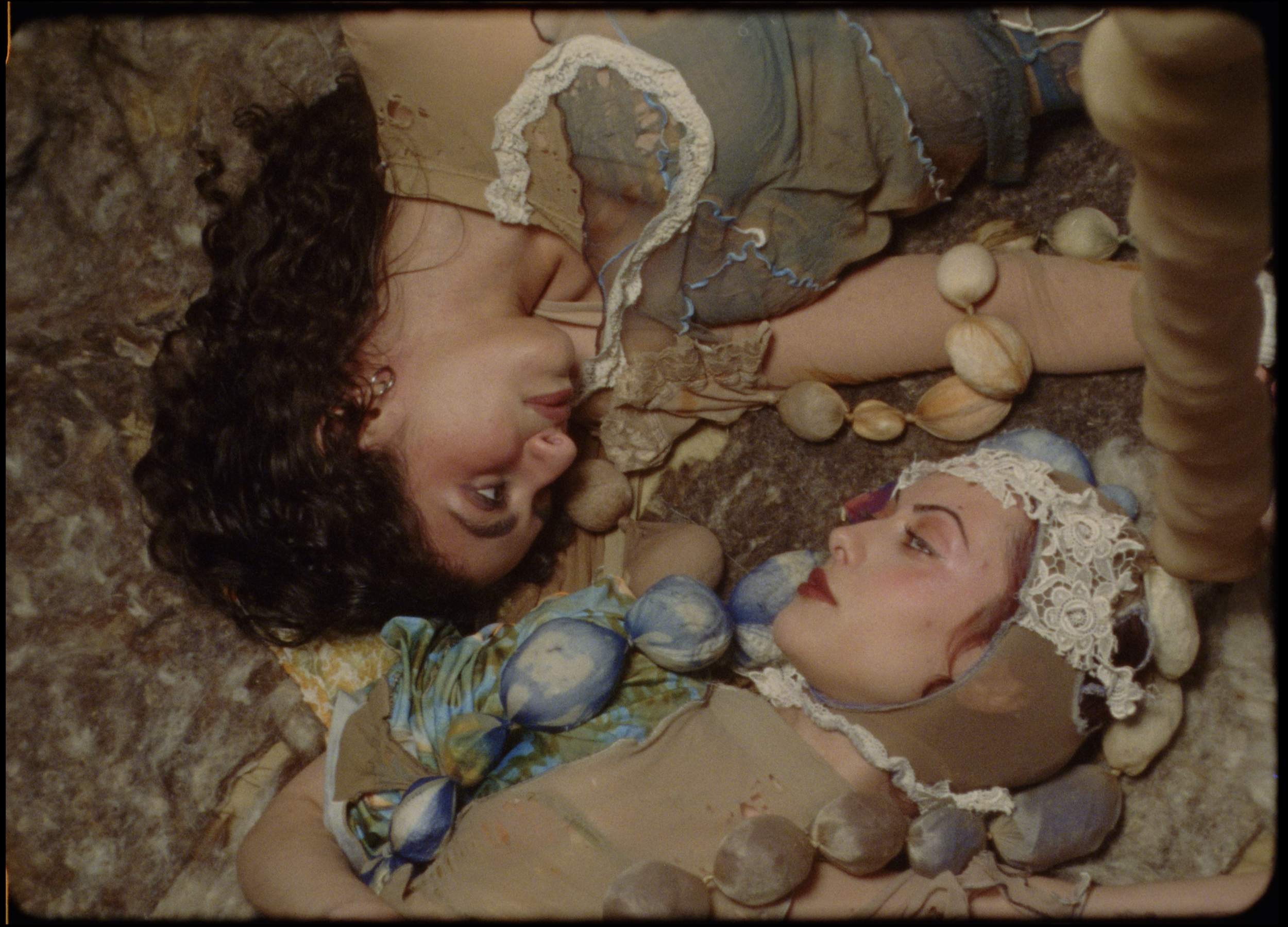
Stills from Settlement of the Heart
In terms of editing, once the footage is developed by the lab, a digital version is usually provided, which makes the editing process much easier compared to working directly with the film. However, when I shot my very first project on 16mm at film school, we used a specialised editing suite called a Steenbeck. With this system, the editing process was entirely physical. One had to manually cut the film and splice it together, meaning that any changes required physically re-cutting and reassembling the footage. It is more time-consuming, but it does help you to develop precision when it comes to snappy edits.
What inspires you when it comes to the subject of your images?
I think my biggest source of inspiration at the moment is my personal history, my Eastern European identity, and the everyday chaos of young adulthood. Having an international background - born in Russia, briefly living in Portugal, migrating to Finland at thirteen, and now living in the UK—I’ve been exposed to a wide range of cultures and traditions. Migration has been both enriching and challenging; navigating new languages and social norms has meant constantly redefining where and how I belong.
I have often felt as though I exist between cultures, a blend of identities, belonging neither fully here nor there. While this in-between space has been frustrating at times, it has also been deeply inspiring. It fuels my longing and connection to my Eastern European roots. I frequently draw inspiration from and explore my roots through Slavic folklore, revisiting early memories of my hometown—full of quirky characters and bizarre situations—as well as old family archives, including photographs and videotapes, to reflect on the histories of my ancestors and the untold stories of my relatives revealed in these materials. Representation and preservation feel deeply important to me, and through this process, I always try to reconnect with and better understand my cultural identity.
I am also inspired by people’s personal stories and by the way narratives emerge from the spaces they inhabit. I try to capture both the physical and emotional dimensions of a moment, paying close attention to atmosphere and gesture. London continues to inspire me because it doesn’t feel like it belongs to anyone. Its diversity of voices and cultures creates space for individuality. You can be whoever you want to be, or no one at all, and that’s the best part. Observing everyday life here, like the people, the contrasts, and the creative energy, continues to shape the subjects of my images.
Ultimately, I find that my multicultural past, my Eastern European roots, and the chaos and possibility of young adulthood in the UK all converge in my work. I am constantly reflecting on where I fit within these layers of identity and culture. Perhaps one day it will all make sense—but for now, that search itself is equally inspiring.
Alongside your individual work, you are a co-founder and leading member of the ROOD collective. What does this entail, and how does being part of an artistic community shape your experience as an artist and the work you make?
Rood started when a couple of friends and I were still university students. What inspired us to start it was the lack of cross-disciplinary projects between the different creative courses in the university curriculum and the campus as a whole. This gap meant that both class and independent projects often lacked the sense of collaboration that is central to the actual creative field. The name itself is a wordplay on “rude,” reflecting our desire to stand out from the creative environment we were part of at the time. We launched the collective with projects like ROOD Zine #0: Documenting Passion and ROOD Takeover: Glasshouse — a multidisciplinary show that I had the pleasure of co-organising and co-curating, featuring a night full of performances, installations and exhibitions.
Long after graduating and now professionals in our respective industries, ROOD continues to cultivate a communal experience of development, creative exploration, and production. Our goal is to bring together creatives from different fields to work toward a broad vision of images, concepts, and artistic expression. As part of ROOD, we produce, direct, and curate a wide range of multidisciplinary art events, exhibitions, and video and print-based projects. The ultimate goal is to provide a space for engagement and support, where we conceptualise, create, and distribute work collaboratively with the emerging artists themselves.
Being part of an artistic community has profoundly shaped my experience and work as an artist. What could have been a solitary practice has become a dynamic, collaborative process. Exposure to new ideas, techniques, and perspectives constantly pushes me to think beyond my own habits and assumptions, resulting in work that is richer, more layered, and more experimental than what might emerge in isolation. For example, although my practice has predominantly focused on traditional photography and video, collaborating on multidisciplinary projects with artists across visual art, illustration, performance, and sculpture has inspired me to push my work in entirely new directions. I now experiment with alternative and craft-based photographic processes, such as Mordançage and Kirlian photography, exploring how these methods expand both the conceptual and material possibilities of my work. The work that I make now is not limited to one technique or way of creating it, and I am excited to continue experimenting.
Making art no longer means working alone. When I have an idea, I have a community of creatives to respond, critique, and collaborate with. Organising and participating in multidisciplinary events and exhibitions not only allows us to showcase our work but also fosters a vital sense of support and belonging, especially for emerging artists navigating self-doubt and limited opportunities, while contributing meaningfully to the UK’s cultural and artistic landscape.
Do you have any upcoming exhibitions or projects to look out for?
Yes, I do! I’m so grateful for 2026, as it has been such a busy year, and I truly appreciate the feedback on my work, with several pieces selected for both UK and international group exhibitions.
I recently completed 4 exhibitions in February, some examples including:
● A New Feeling, curated by K: art, exhibited at Four Corners, London, UK
● Empowering Women, Fox Yard Studio, Stowmarket, Suffolk, UK
● Elucidate, curated by and exhibited at LumiNoir Art Gallery, London, UK
In March, I’m participating in:
● Fragments of Her at Espacio Gallery, London, UK
● Overlooked, curated by Nasty Gallery, at The Loop, London, UK
● Maslenitsa Fest at Battersea Arts Centre, London, Uk
In April, my work will be featured in Barcelona as part of The Natural and the Artificial, curated by PH21 Gallery. Then in May, I’ll be exhibiting again at Four Corners as part of The Loop Group Exhibition.
I’m currently developing a few new photography projects. One is a creative portrait series exploring the character of Pierrot, a figure often featured in Slavic literature. Another project delves more into my family archives, uncovering untold stories using salt printing, a process I’ve been eager to experiment with for some time. But all of the work will continue to explore themes of cultural memory, space, and inner narrative through a slightly surreal lens. I love pushing the creative potential of analogue image-making, so stay tuned for more details! :)
Alongside my personal projects, as part of ROOD, although still in its early stages, I’m planning an exhibition focused on the work of young people in London. The goal is to highlight the city’s diverse artistic voices, creating space for emerging perspectives and interdisciplinary dialogue. Supporting and giving a platform to new talent is a key part of what we do.
You can see a full range of works on Danaia Konstantinova’s website. Follow her on instagram to keep up to date with exhibitions and updates.